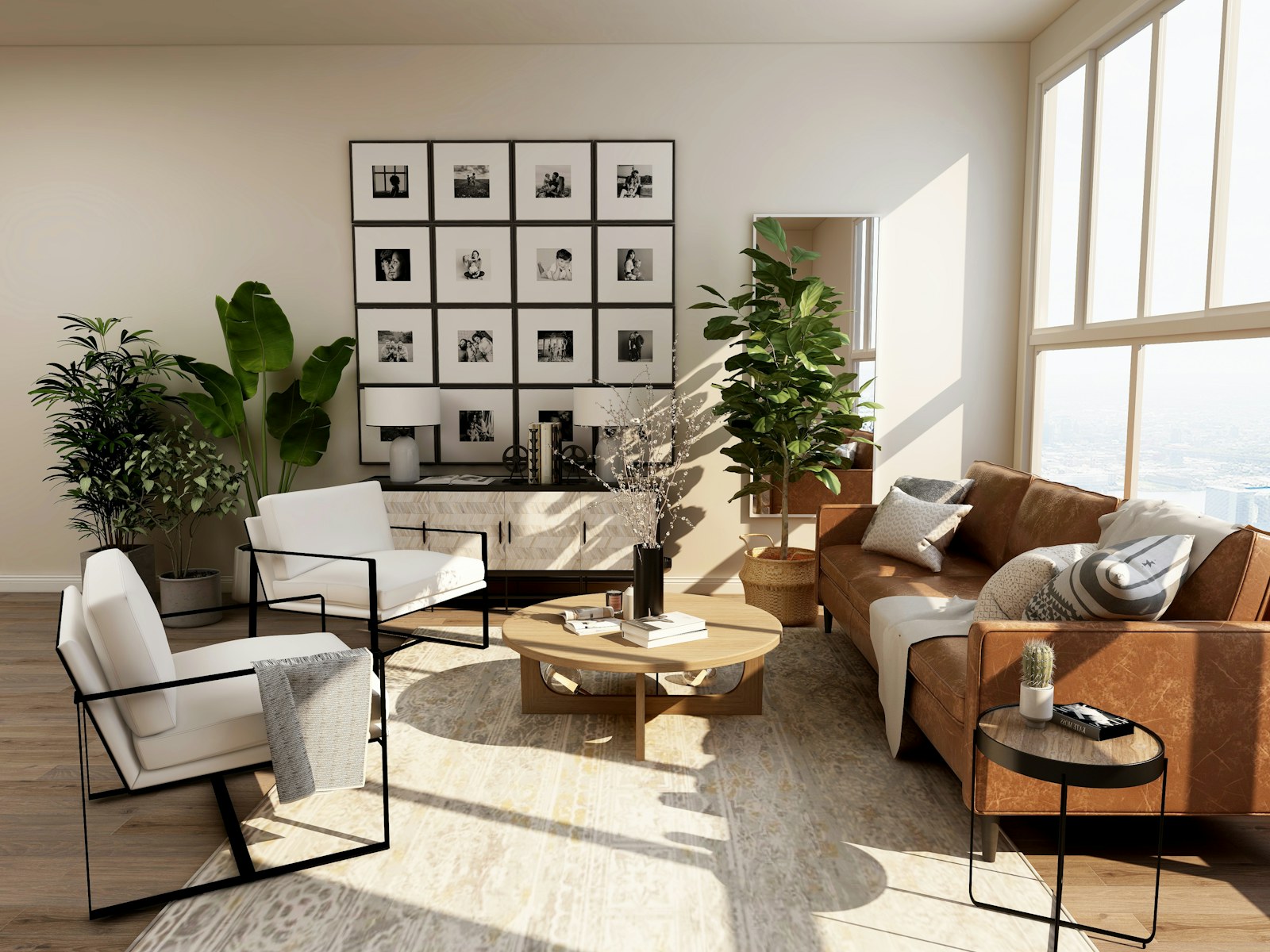
A living room can look reasonably tidy and still feel difficult to use. The phone charger is behind the sofa, the reading lamp lights the wrong seat, and the coffee table collects everything that has no home. A useful reset addresses those small frictions before introducing a new cushion or decorative tray. Set aside an afternoon, keep a donation bag nearby, and work with the furniture you already own.
Begin with an ordinary evening
Imagine the room at its busiest: someone is watching a programme, another person wants to read, and a mug needs a safe place to land. Write down the three activities that happen most often. Be specific. “Relaxing” is broad; “reading at the left end of the sofa” tells you where a light and side table are needed.
Walk from the entrance to each seat carrying an empty cup. If you must turn sideways around furniture, begin by moving a small item rather than rearranging the entire room. Check that doors open freely and that furniture does not obstruct heaters or air vents. A clear path is useful every day, even when the room is too small for dramatic furniture placement.
Remove the temporary residents
Take out anything that belongs elsewhere: shoes, packaging, paperwork and laundry. Group the remaining items by use. Remote controls belong near the television seat; knitting belongs beside the chair where it happens. Do not buy storage until you know the size and quantity of each group.
For items that travel in daily, create one modest landing point. A basket can hold a blanket and a magazine, but it should not become a second junk drawer. Decide what belongs in it and where those things go when the basket fills. Our baskets versus boxes guide helps match open and closed storage to different habits.
Give each seat a useful neighbour
A comfortable seat needs somewhere to put a drink and enough light for its purpose. Try moving an existing stool or small table next to the most frequently used chair. Check that it is stable and within comfortable reach. A beautiful low table is less useful if every cup requires leaning across the room.
Assess lighting after dark. Use existing lamps to create a reading area and softer background light. Keep cables out of walking routes and use fittings compatible with each lamp. If one corner remains gloomy, a small lamp may solve more than a large ceiling fixture. Avoid placing a bright bare bulb directly in a seated person's line of sight.
Edit the surfaces, then add softness
Clear the coffee table completely and replace only what earns its space. A tray is helpful when several small items need moving together, but it also reduces usable surface. Leave enough bare area for a drink, book and occasional plate. Display objects should not make daily use feel like disturbing a showroom.
Next, consider textiles. A blanket already in a bedroom might bring the colour the room needs. Rotate cushion covers before buying additional inserts. If a rug slides, address its backing using a suitable product for your floor rather than hiding the problem under heavier furniture. The calm bedroom guide uses the same approach of solving practical irritation before decorating.
What is worth buying?
Shop for the unresolved problem, not for a general feeling of incompleteness. For a side table, measure its height against the sofa arm, check the base for stability and consider whether the top tolerates your normal use. For storage, measure the shelf opening and the objects themselves. Handles are useful if the container moves frequently; a lid is useful when dust matters.
The tradeoff is maintenance. Pale textured fabrics add softness but can demand more care. Glass tables feel visually light but reveal fingerprints. Open baskets make items easy to retrieve but leave their contents visible. Choose the compromise that fits your household rather than the photograph you saved.
Frequently asked questions
Do I need to replace a matching furniture set?
No. Try separating the pieces and changing their placement first. Different lamps, a relocated table and fewer accessories can alter the balance without replacing useful furniture.
What if the room also serves as a workspace?
Give work equipment one defined return point at the end of the day. A compact work corner can help separate the practical setup from evening use without requiring a spare room.