A Friday departure can turn a short trip into an oversized packing problem. You add a second pair of shoes for dinner, another jumper in case the weather changes and several outfits for plans that have not been made. Soon a two-night visit requires more luggage than you want to carry.
Start with the actual journey and likely activities. Two nights visiting friends need a different bag from two nights attending a wedding. A small, deliberate packing list leaves room for necessary differences without treating every possibility as a requirement.
Write down the three days
List what you will do on departure day, the full day away and the return day. Note any activity that genuinely requires a separate outfit, such as a formal event or a long outdoor walk. Check the forecast close to departure and revisit it before closing the bag.
Plan the outfit you will travel in as part of the list. Comfortable layers can do useful work throughout the weekend, so avoid treating travel clothes as a separate category that never gets worn again.
Choose a limited colour palette if it helps pieces work together. It need not be all neutral. A patterned top can still pair with the trousers and layer you already intend to bring.
Pack a compact clothing core
For an ordinary casual visit, a starting list might be two fresh tops, underwear and socks for each day, sleepwear, one spare lower half and one adaptable layer. Adjust for climate, activities, laundry access and personal needs.
Wear the bulkier suitable shoes and pack a second pair only when they solve a specific problem. A pair chosen solely for an imagined dinner can occupy a large share of a small bag.
Try the combinations before packing. Check whether the layer fits over both tops and whether each outfit works with the footwear. This small rehearsal is more useful than packing extra pieces as insurance.
Reduce toiletries thoughtfully
Make a list from the products you actually use in a normal morning and evening. Bring the essentials in suitable, clearly identifiable containers. Keep anything that needs its original packaging or particular storage conditions as instructed.
Check transport rules with the carrier or relevant official guidance. Rules for liquids, batteries and bag dimensions can differ, so a previous trip is not a reliable substitute for the current requirements.
A washable pouch that opens wide is easy to inspect and clean. Separate items that could leak from electronics and paper. Tiny individual bottles save space only if they hold enough for the trip and close securely.
Choose the bag after considering the route
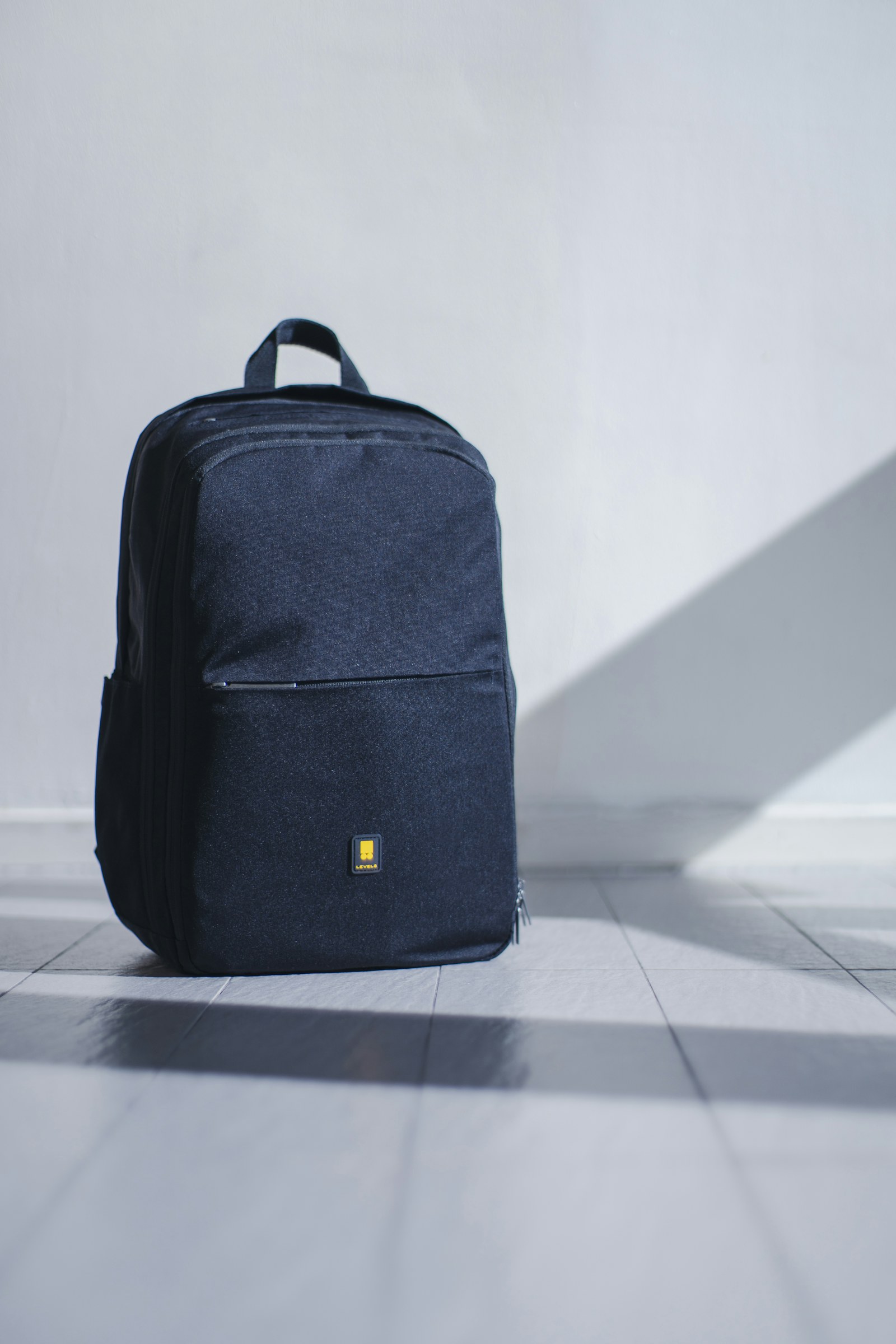
A backpack leaves your hands available and can suit stairs or walking between transport connections. Look for comfortable straps, usable access and dimensions that fit your journey. A large advertised capacity is less helpful if the bag becomes uncomfortable when full.
A soft weekend bag can be easy to pack and retrieve from a car, but carrying it on one shoulder may become tiring during a longer walk. A wheeled case reduces some carrying while adding its own weight and becoming awkward on stairs or uneven surfaces.
Check the empty weight, opening style and pocket arrangement. Too many compartments can make it harder to find things; too few can let small essentials sink to the bottom. The tradeoff should match how you travel.
Keep arrival essentials accessible
Place tickets or travel information, a charger, any necessary personal items and a light layer where you can reach them without unpacking everything. Use a reusable bag for worn clothes so they do not mix with clean items.
Packing cubes can organise a shared bag or separate outfits, but they do not automatically make luggage lighter. Start with a simple pouch or folding method before buying a set. If a cube encourages you to squeeze in more clothing, it has defeated the point.
On return, note what you never used and what you missed. That observation can refine your own list without pretending there is one correct packing formula. Preparing the bag early also fits neatly into an evening setup for an easier departure.
Questions worth asking
Should I bring a complete extra outfit?
Bring one when the trip gives you a concrete reason, such as an event or an activity likely to require a change. For a casual visit, a spare top and interchangeable pieces may cover more situations with less bulk.
Are compression bags essential?
No. They can reduce the volume of suitable clothing, but they add another packing step and do not reduce weight. Check the final bag's comfort and transport limits even when everything physically fits.