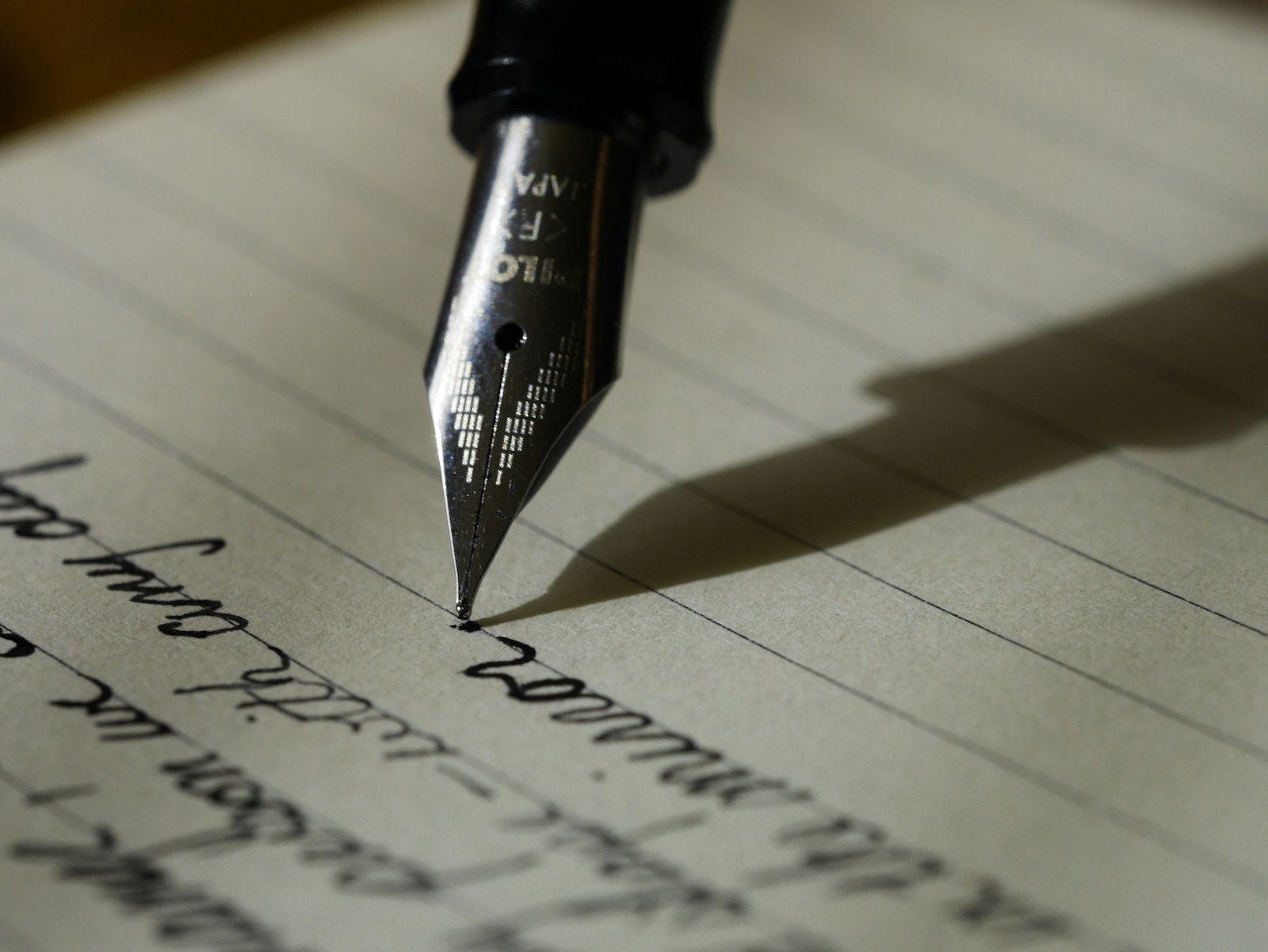
Sunday evening arrives with three appointments in your phone, a grocery list on a receipt and a reminder about a return somewhere in your messages. A paper plan can bring those loose ends into one visible place. The aim is not to produce an immaculate spread. It is to make the next few days easier to understand.
A useful weekly page holds a small number of commitments and decisions. It leaves room for changes. If you have abandoned elaborate planners before, start with an ordinary notebook and a ten-minute appointment with yourself.
Gather the commitments first
Open the calendar or system that holds your confirmed appointments. Copy only the details you need to see while planning: the day, time and any preparation or travel buffer. Include household commitments that affect your availability, such as waiting for a delivery or taking something for repair.
Keep a clear source of truth. If appointments change regularly, let the digital calendar remain the authoritative version and use paper as the weekly overview. Do not create two detailed systems that both require constant maintenance.
Add deadlines separately from wishes. “Submit form by Thursday” has a different consequence from “sort a drawer.” Seeing that difference helps when the week becomes crowded.
Divide one page into three useful areas
The first area is a simple week at a glance. The second is a short list of tasks that can happen on any suitable day. The third holds things to remember or buy.
This arrangement separates fixed times from flexible work. It also stops every small errand from being assigned an unrealistic appointment. A blank notebook works well because you can change the proportions when life changes.
Try writing one meaningful priority beside each day. That might be finishing a document, doing the grocery shop or having a clear evening after a demanding appointment. A priority does not need to be productive in the narrowest sense.
Give tasks a finish line
“Organise home” is difficult to act on. “Clear the chair and put away clean laundry” is easier to recognise and finish. Break a large task into the next visible action rather than copying the same vague phrase week after week.
Estimate the space a task needs in your day. Something involving a phone call during opening hours needs a different slot from folding clothes. Group errands by location when practical, but do not turn an entire free afternoon into a tightly packed route.
Leave spare room. If every available gap already has a task, a delayed train or longer meeting will unravel the plan. The empty space is part of a realistic schedule.
Choose paper that suits the way you write
Before buying a planner, decide where you will use it. A notebook that stays on a desk can be larger than one carried in a small bag. Check whether it lies comfortably open and whether the layout gives your busiest days enough space.
If you write with a fountain pen or a wet ink pen, paper suitability matters more than decorative covers. Look for the manufacturer's paper description and, where possible, view a sample. Thicker paper adds weight, and thickness alone does not guarantee that every ink behaves well.
Dated planners make the structure immediate, but unused pages can feel wasteful during irregular weeks. Undated notebooks are flexible, though you must add dates yourself. Choose the tradeoff that makes returning to the page easier.
Review without rewriting your life
At the end of the week, mark completed tasks and inspect what remains. Ask whether an unfinished item still matters, needs a smaller next step or should be removed. Carrying everything forward creates a list that becomes harder to trust.
Keep a small recurring checklist only for genuinely recurring work. For household preparation, the low-effort weekend reset can supply a few useful prompts. A planner should support that routine rather than demand a separate administrative session.
Questions worth asking
What if my week changes every day?
Use pencil, generous spacing or a loose task list beside a digital calendar. Review today's commitments briefly each morning. Flexibility is more useful than a page that looks permanently finished.
Should I buy stickers, special pens and extra inserts?
Only if they help you find information or make you want to use the page. Start with one pen and one notebook. Add accessories after you can name the specific problem they will solve.