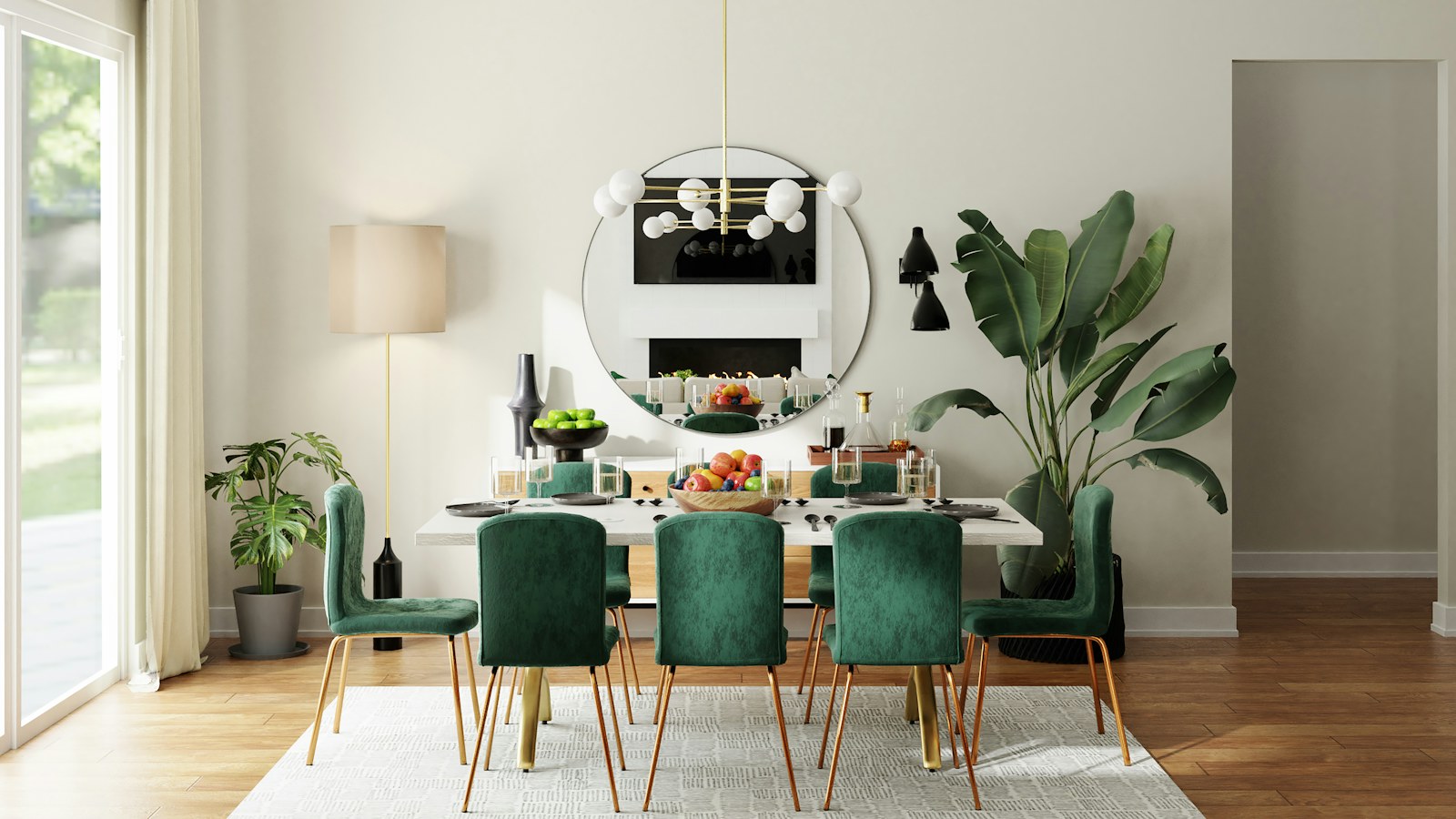
Having two friends over for dinner should not require buying a new set of everything. A comfortable table for four starts with space for plates, glasses and the food you intend to serve. Decorative details can follow once those needs are met. The aim is a table that invites people to settle in and pass dishes easily, with enough flexibility for a relaxed evening.
Lay out the real meal
Set the table before planning a centrepiece. Place four dinner plates, the cutlery the menu actually needs and the glasses you will use. If serving family-style, add the empty serving bowls to check the fit. A roast dinner requires a different amount of surface from individual bowls of pasta.
Pull the chairs out and sit in each position. Check that knees have room and that nobody is squeezed against a wall or table leg. Move decorative objects if they interfere with reaching a glass. If the table is compact, serve some dishes from a nearby safe surface rather than balancing everything between place settings.
Work with the crockery you have
Matching plates are pleasant, but mixed crockery can feel equally intentional. Repeat a common detail, such as white plates with coloured napkins, or use the same glass at each setting. Check plates and glasses for damage and choose pieces suitable for the food and cleaning method involved.
If buying extras, measure cabinet space and compare individual replacement availability. A large boxed set may contain pieces you never use. Open-stock plates can make later replacement easier, while a set may offer a more consistent finish. The tradeoff is flexibility versus a ready-made collection, not a universal rule about value.
Add one textile decision
A tablecloth can soften a plain table, while placemats keep more of the surface visible. Choose according to your table, menu and laundry habits. Check the dimensions and care label. An elaborate cloth requiring special treatment may be less appealing after a sauce spill on a busy evening.
Napkins can provide most of the colour. Fold them simply and place them where they do not displace useful space. Cloth versions add a laundering task; paper ones are convenient but create disposable waste. Either can be appropriate. There is no need to wrap cutlery in elaborate shapes if doing so makes setting the table feel like a project.
Keep the centre low and moveable
A small arrangement of flowers or greenery can be enough. Keep sightlines across the table clear, and choose a container that is stable when dishes pass nearby. Our supermarket flower guide explains how to divide one bunch into a modest arrangement without buying more stems.
If using candles, follow the holder and candle instructions, keep flames away from flammable material and never leave them unattended. An unlit decorative arrangement or suitable battery light is another option. Check the table after adding everything: diners should still have somewhere to put a serving spoon without rearranging the display.
Plan the handoffs
Put a serving utensil with each communal dish before food reaches the table. Check that hot cookware has appropriate protection beneath it and is safely positioned. Decide where water will sit and where used plates will go when cleared. These small decisions prevent the host from repeatedly leaving the conversation to search for equipment.
Keep the kitchen's final preparation area available. Clearing a counter early can create a place for plated food or dessert later. The small kitchen counter guide offers a useful zone-based approach when cooking and serving compete for the same surface.
Buy for repeated occasions
Useful additions might include a stable water jug, a serving bowl that fits the table or washable napkins. Check capacity, weight when full and dishwasher guidance. A very large jug needs fewer refills but can be awkward to lift. A broad serving bowl presents food well but may crowd a small table.
Skip purchases that solve only the photograph. Oversized chargers, numerous decorative glasses and tall centrepieces can leave less room for dinner. Choose one detail you enjoy and let the rest support conversation, passing dishes and comfortable seating.
Frequently asked questions
Do I need a full formal place setting?
No. Provide the cutlery and glasses required by your menu. Extra pieces take up space and can make a casual meal feel more complicated than intended.
What if the table is also my desk?
Pack work materials into one dedicated container before setting up. Our work corner guide includes a practical closing routine for shared surfaces.