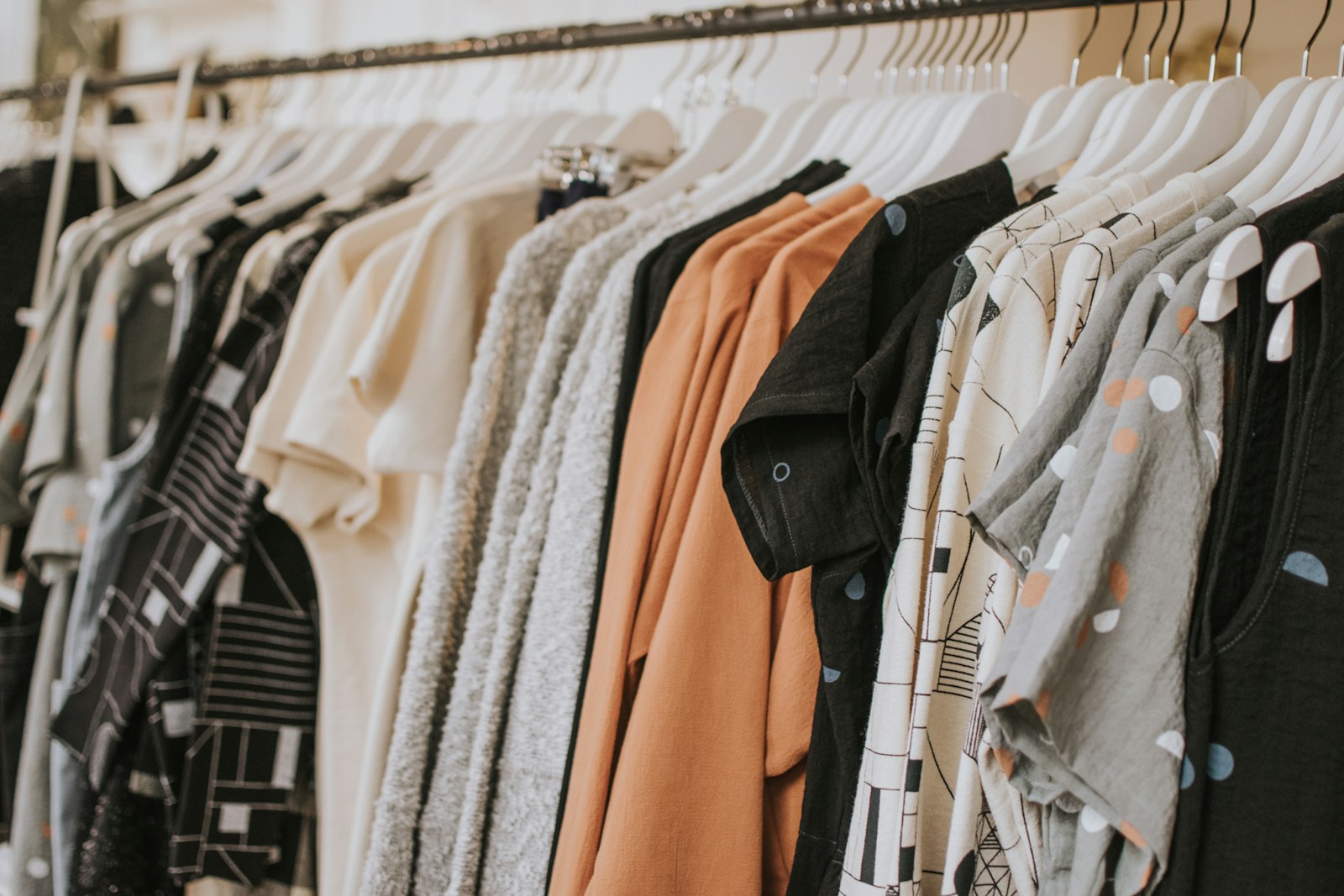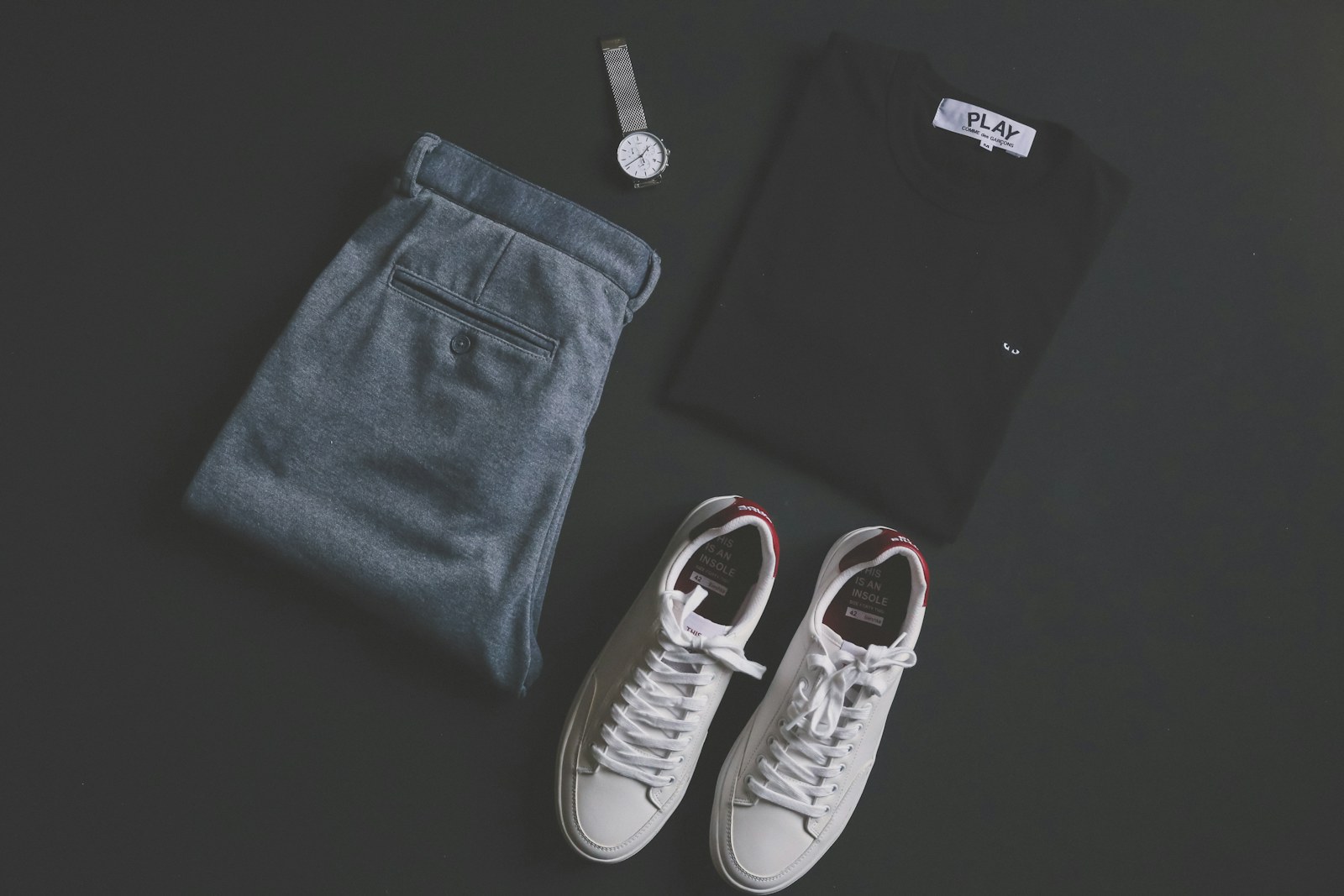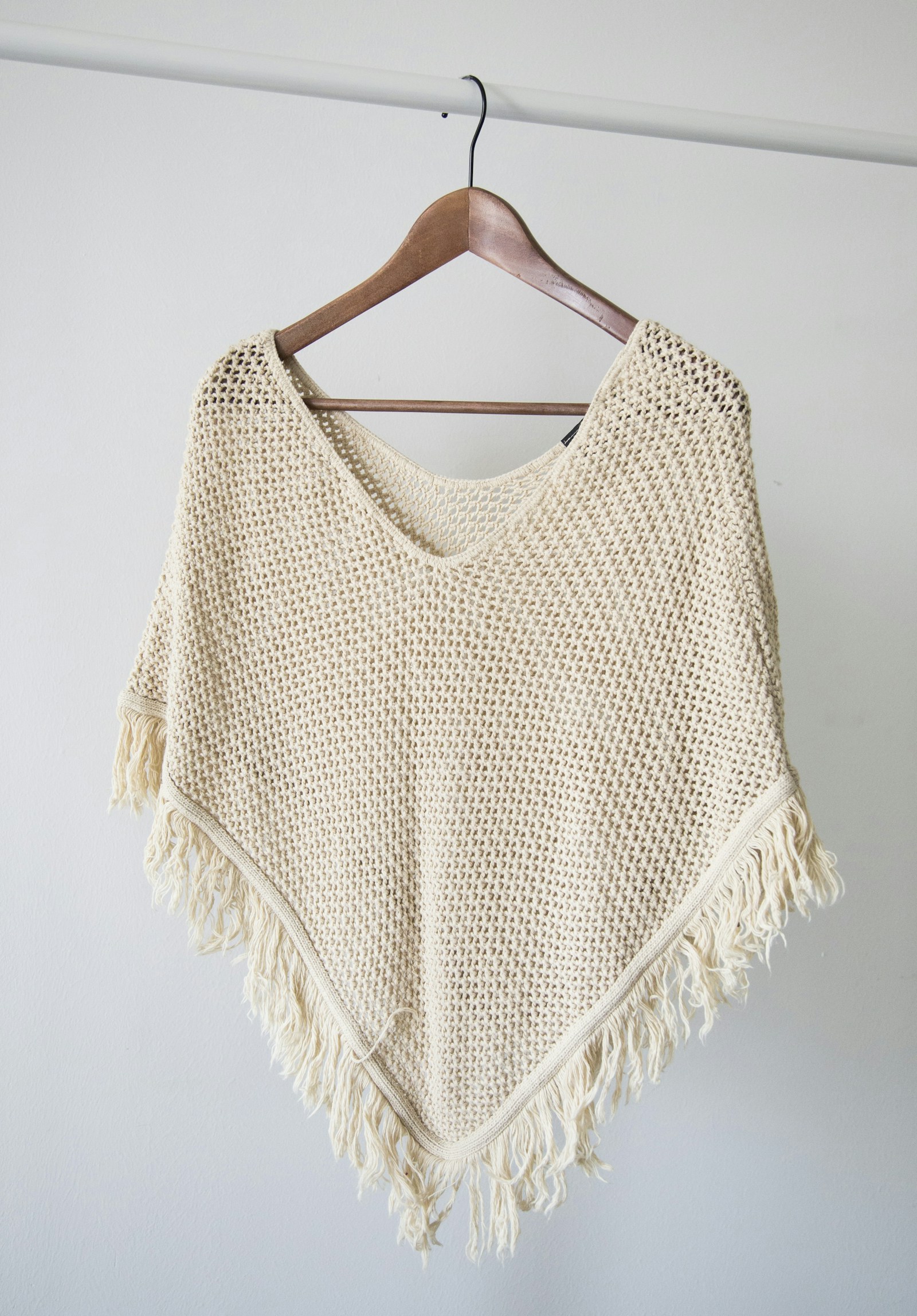
A cool walk to the station, a warm train and a chilly office can ask three different things of the same outfit. Adding your thickest jumper may solve the first problem while creating the second. A better approach is to choose layers that can be removed independently and carried without turning your bag into a wardrobe.
The goal is not to dress for every imaginable temperature. It is to cover the conditions you are likely to meet, with an easy way to adjust when the room or weather changes.
Map the transitions
Think through the day in order. How long will you be outside? Will you sit still for several hours? Is there somewhere to leave a coat? These questions are more useful than relying on the afternoon forecast alone.
Start with a base outfit you would be comfortable wearing in the warmest expected setting. It should look complete when the outer layers come off. A transparent top that only feels wearable beneath a cardigan makes that cardigan compulsory even when you become warm.
Add one removable middle layer, then an outer layer appropriate to the forecast. If rain is possible, check whether your chosen jacket is intended for rain; a casual fabric jacket and a waterproof shell serve different purposes.
Choose layers that cooperate
A light cardigan is convenient when you need to adjust frequently because it opens without being pulled over your head. A loose overshirt can do a similar job and may provide usable pockets. A fine jumper gives a cleaner outline but is less convenient when you repeatedly move between warm and cool spaces.
Check the sleeves together. A full blouse sleeve can bunch inside a narrow cardigan, and a chunky cuff may not fit beneath your jacket. Try raising your arms and reaching forward with the complete outfit on.
Consider necklines too. A collared shirt under a high-neck knit may feel crowded, while an open cardigan often leaves more room. Choose combinations that stay comfortable without requiring repeated straightening.
Plan where the removed layer goes
Before leaving home, fold the middle layer and put it in your everyday bag. If it takes up all the space, consider a thinner alternative or a bag with suitable capacity. Carrying a jacket over one arm becomes tiring when you also need groceries or an umbrella.
An unstructured overshirt may crease after being folded. A fine knit may pack more softly but can snag on keys or rough bag hardware. A small fabric pouch can separate delicate clothing from those items.
Avoid hanging a heavy bag from a thin knitted shoulder. Even if it is convenient for a moment, concentrated weight can pull the shape out of place. Keep the garment folded or wear it as intended.
Shop for the gap, not the forecast anxiety
Browse a broad collection such as UNIQLO women's clothing with a specific requirement in mind: a removable layer that fits under your current coat, for example. Compare the garment measurements with a layer you already like.
Read care instructions before deciding. A delicate item that requires a routine you cannot maintain may become the layer you avoid wearing. Fabric feel, weight and construction vary within the same fibre category, so labels alone cannot establish comfort.
The tradeoff is between adaptability and simplicity. Three light pieces give more options, but they also create more things to carry and keep track of. For a short journey with little temperature variation, two well-chosen pieces may be enough.
Keep a repeatable combination
When a layered outfit works, make a note of the full combination, including shoes and bag. This saves you rebuilding the same solution each morning. Repeat it with small changes when the forecast is similar.
The method fits naturally into a realistic capsule wardrobe. For workplace settings, our guide to dressing for a casual office covers how to keep removable layers looking coherent at your desk.
FAQ
Does layering always mean wearing more clothes?
It means dividing warmth into adjustable pieces. Sometimes replacing one very heavy layer with two lighter ones provides more flexibility, but you should still dress for the actual conditions.
Should every layer be a neutral colour?
No. Repeat one colour across two pieces or let a patterned layer connect the outfit. Compatibility matters more than restricting everything to black, white or beige.